

Cultural Tours in Greece: Meaningful Travel Through History, Heritage and Local Life
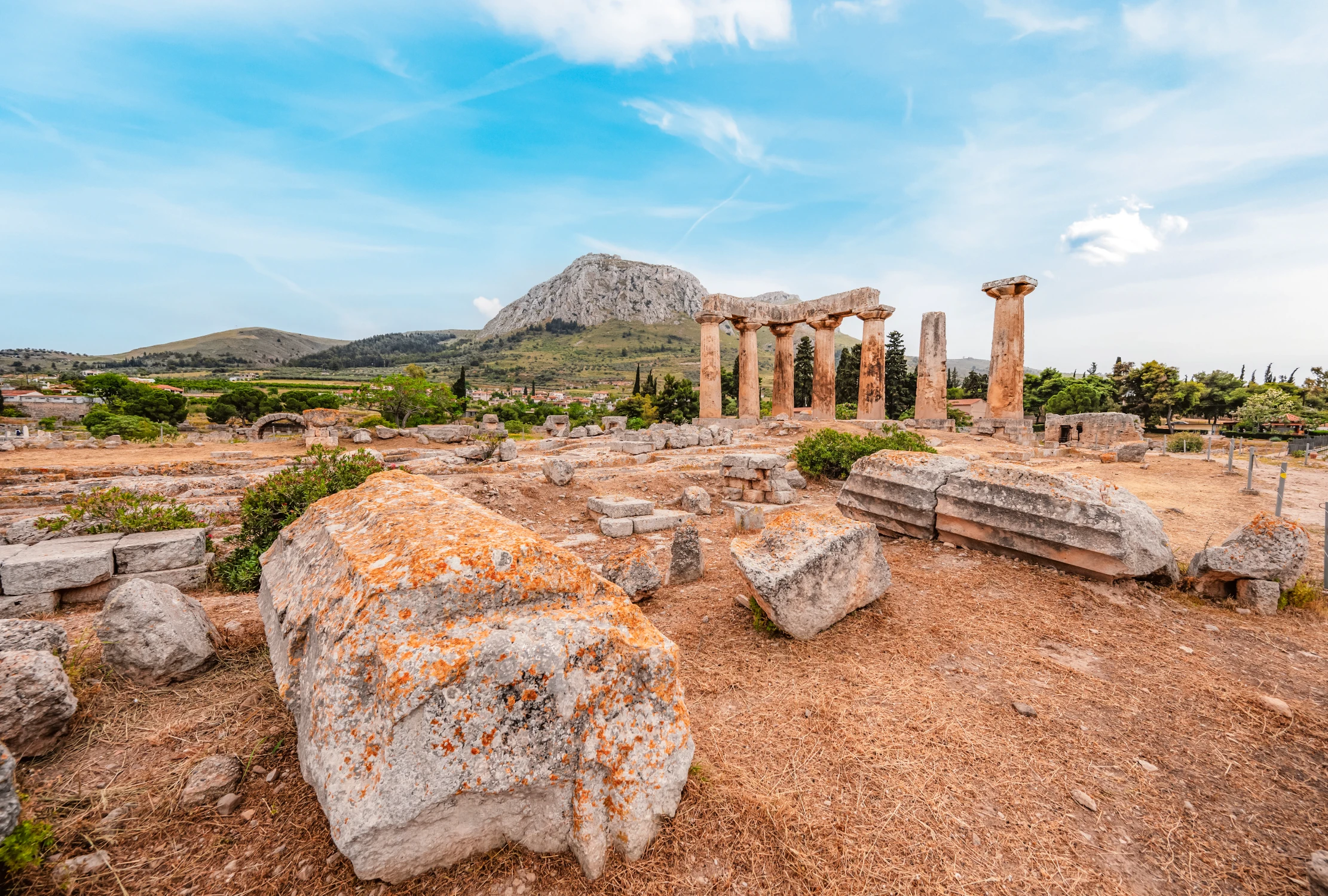
Cultural tours in Greece can offer much more than beautiful views, archaeological sites, and famous landmarks.
When travel is designed with purpose, Greece becomes a place to explore through its history, heritage, traditions, food, art, faith, landscapes, communities, and everyday life.
For adult learners, alumni groups, private groups, cultural organizations, and lifelong travelers, Greece offers an exceptional environment for meaningful cultural travel. Every region has its own identity, stories, traditions, cuisine, architecture, and relationship with the country’s past.
At TLC | The Living Classroom, we design customized cultural tours in Greece for groups that want to travel with greater depth, context, and purpose.
The aim is not simply to visit Greece.
It is to understand Greece.
What Is a Cultural Tour in Greece?
A cultural tour in Greece is a travel experience designed around understanding the country’s history, heritage, traditions, communities, and way of life.
Archaeological sites and museums may form an important part of the journey, but meaningful cultural travel goes beyond checking famous attractions off a list.
A well-designed cultural tour may include:
- Local Neighborhoods – Explore vibrant city streets and hidden urban gems.
- Traditional Villages – Experience authentic rural life and timeless architecture.
- Archaeological Sites – Uncover ancient history and iconic historical ruins.
- Museums and Galleries – Discover rich heritage, fine art, and local history collections.
- Regional Food Experiences – Taste authentic local flavors and culinary traditions.
- Religious and Heritage Locations – Visit historic churches, monasteries, and sacred landmarks.
- Cultural Workshops – Learn traditional skills and hands-on crafts from local artisans.
- Local Experts and Storytellers – Gain insider insights from knowledgeable guides.
- Music, Art, and Craft Traditions – Immerse yourself in regional creative heritage.
- Food and Wine Experiences – Enjoy authentic regional tastings and vineyard visits.
- Conversations About Culture – Engage in discussions regarding Greek identity and everyday life.
Each experience contributes another layer to the story of Greece.
A meal can reveal something about agriculture, family traditions, seasonality, and hospitality. A village can show how regional identities and customs are preserved. A museum can explain how Greece protects and interprets its past.
This is what turns travel into cultural learning.
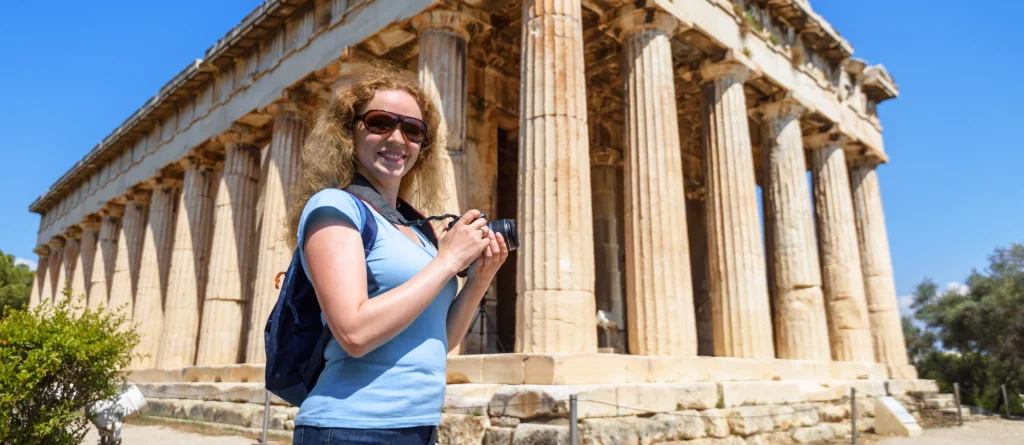
Why Greece Is Ideal for Cultural Tours
Few destinations bring together so many layers of history and culture within one country.
Ancient civilization, mythology, Byzantine heritage, Christianity, Mediterranean food culture, island communities, architecture, art, regional traditions, and contemporary society are all connected to the wider Greek experience.
A cultural tour in Greece can explore themes such as:
- Ancient Greek civilization
- Classical heritage
- Archaeology
- Greek mythology
- Byzantine and Christian history
- Local traditions
- Regional identity
- Mediterranean food culture
- Greek wine and agriculture
- Art, museums, and architecture
- Island life
- Music and community customs
- Contemporary Greek society
This diversity makes Greece particularly suitable for travelers who want more than a standard sightseeing itinerary.
Discover more about Why Greece is such a strong destination for cultural and educational travel.
Cultural Travel With Meaning
A meaningful cultural journey is not simply a collection of places.
It has a theme, context, and purpose.
For example:
- A visit to Athens can become a conversation about democracy, history, memory, contemporary urban life, and Greek identity.
- A traditional meal can open a discussion about family, hospitality, agriculture, seasonality, and regional traditions.
- A village visit can reveal how communities preserve architecture, customs, local identity, and cultural heritage.
- A museum experience can explore how Greece protects, presents, and interprets its past.
- A monastery or church visit can connect faith with history, Byzantine art, architecture, and everyday life.
- A local market can provide insight into Mediterranean food culture, regional products, and relationships between producers and communities.
The location provides the setting.
The context turns the visit into learning.
This approach is closely connected to the philosophy behind TLC’s Learning Vacations in Greece.

Popular Cultural Tour Themes in Greece
Cultural tours can be built around a single theme or combine several interests depending on the group, travel dates, preferred destinations, and desired pace.
1. Classical Greece and Ancient Heritage
Greece is one of the world’s most important destinations for people interested in ancient history, archaeology, mythology, philosophy, and classical civilization.
A classical Greece cultural tour may include:
- Athens
- the Acropolis
- Ancient Agora
- Delphi
- Mycenae
- Epidaurus
- Olympia
- Corinth
- archaeological museums
These places allow travelers to explore ancient Greece within the landscapes where its history unfolded.
This type of program can work particularly well for adult learners, history enthusiasts, alumni groups, cultural associations, and educational travel groups.
2. Greek Museums and Cultural Heritage
Museums play an essential role in understanding Greek history and identity.
They do more than display objects.
They show how archaeological discoveries are interpreted, how heritage is preserved, and how different periods of Greek history connect with the country we see today.
A museum-focused cultural journey may include:
- Acropolis Museum – Explore world-renowned artifacts and ancient treasures recovered from the Athenian Acropolis.
- National Archaeological Museum – Discover one of the largest and most comprehensive collections of ancient Greek antiquities in the world.
- Museum of Cycladic Art – Admire ancient art from the Aegean and Cyclades islands, alongside contemporary exhibitions.
- Byzantine and Christian Museum – View vast collections of rare religious art, icons, manuscripts, and architectural relics.
- Regional Archaeological Museums – Uncover local history and excavated artifacts specific to various Greek regions and islands.
- Local Folk and Cultural Museums – Experience traditional Greek life, historical costumes, and domestic heritage crafts.
- Art and Design Collections – Engage with modern fine art, contemporary design, and creative cultural expressions.
With expert guidance and the right context, a museum visit becomes a structured cultural learning experience rather than simply another stop on an itinerary.

3. Greek Food, Wine and Local Life
Food is one of the most direct ways to understand Greek culture.
Greek cuisine is closely connected with family, hospitality, geography, religion, agriculture, seasonality, and regional identity.
A food-focused cultural tour may include:
- local markets
- traditional tavernas
- cooking experiences
- olive oil tastings
- winery visits
- farms and local producers
- regional cuisine
- Mediterranean diet discussions
Travelers can explore not only what Greeks eat, but why certain foods, traditions, and ingredients became part of local life.
Food becomes a window into culture.
4. Island Culture and Regional Identity
The Greek islands are much more than leisure destinations.
Each island has its own relationship with architecture, agriculture, maritime history, food, religion, local customs, and community life.
An island-focused cultural tour may explore:
- local communities
- maritime traditions
- island architecture
- local food and wine
- religious festivals
- traditional crafts
- agriculture
- sustainability
- regional identity
- local storytelling
This type of travel helps visitors understand how diverse Greece becomes when they move beyond the major cities and famous archaeological sites.
5. Contemporary Greek Society
Cultural travel does not need to focus only on the past.
Understanding Greece also means exploring the country as it exists today.
A contemporary cultural program may include:
- modern Athens
- urban neighborhoods
- contemporary Greek identity
- art and creative communities
- local entrepreneurship
- public spaces
- community life
- migration and society
- Greece’s relationship with Europe and the Mediterranean
These experiences allow travelers to see Greece as a living, changing society rather than only as an ancient destination.
Who Are Cultural Tours in Greece For?
Customized cultural tours can work for many different types of travelers and organizations.
They may be particularly suitable for:
- adult learning groups
- alumni associations
- cultural organizations
- private groups
- museum groups
- faith-based organizations
- food and wine groups
- heritage travelers
- lifelong learners
- educational travel groups
The common factor is curiosity.
These travelers are not interested only in seeing a destination. They want to understand what they are seeing, how it became part of Greek culture, and how it connects with the people who live there today.

What Makes a TLC Cultural Tour Different?
At TLC | The Living Classroom, we do not approach cultural travel as a generic sightseeing package.
Each program begins with the group.
We consider:
- the group’s interests
- the central theme of the journey
- preferred destinations
- desired pace
- level of expert guidance
- cultural experiences that support the theme
- travel style
- logistics required for a smooth program
This allows the journey to feel personal and structured rather than standardized.
A group interested primarily in archaeology should not follow the same itinerary as a group interested in food culture, Christian heritage, contemporary society, or island traditions.
The program should reflect the people taking part in it.
Learn more about What We Do and how TLC approaches customized programs in Greece.
What Can TLC Provide?
TLC can design and deliver customized cultural tours in Greece with full on-the-ground support.
Depending on the group’s interests and requirements, a program may include:
- custom cultural itinerary design
- expert guides and local specialists
- archaeological site visits
- museum programming
- food and wine experiences
- cultural workshops
- local community encounters
- accommodation
- meals
- transportation
- licensed guides
- scheduling and reservations
- local coordination
- on-site support
- emergency assistance
Every program can be adapted to the group’s interests, dates, preferred destinations, theme, desired pace, and travel style.

Example of a One-Week Cultural Tour in Greece
A customized one-week cultural program could follow a structure such as:
Day 1: Arrival in Athens – Arrive in the capital, enjoy a welcome dinner, and receive an introduction to the cultural program.
Day 2: Historic Athens Exploration – Tour the Acropolis and Ancient Agora followed by an immersive cultural heritage walk.
Day 3: Museums and Urban Neighborhoods – Visit prominent museums and discover the vibrant character of local Athens neighborhoods.
Day 4: Classical Field Trip – Take a cultural day excursion to historic sites such as Delphi, Corinth, Mycenae, or Epidaurus.
Day 5: Culinary and Craft Immersion – Engage in regional food, wine, traditional craft, or local community experiences.
Day 6: Regional Heritage Excursion – Explore nearby islands, traditional villages, historic monasteries, or regional landmarks.
Day 7: Departure – Conclude the journey with a final group meal, reflection time, and departure.
This is only an example.
The destinations, activities, pace, and cultural focus should ultimately reflect the interests and needs of each individual group.
How to Plan a Cultural Tour in Greece
A successful cultural tour begins with a clear understanding of what the group wants to experience.
Before creating the itinerary, it is useful to define:
- the main theme of the journey
- the profile of the group
- preferred travel dates
- desired destinations
- desired level of cultural depth
- preferred pace
- food, heritage, faith or museum interests
- need for experts or specialist guides
- accommodation and comfort requirements
- transportation and logistical needs
Once these elements are clear, the itinerary can be designed around them.
This is an important distinction.
Instead of starting with “Which places should we visit?”, start with:
“What do we want to understand about Greece?”
The destinations and experiences can then be selected with purpose.
Start Planning a Cultural Tour in Greece
Greece is not only a country to visit.
It is a country to understand.
A thoughtfully designed cultural journey can help your group connect with Greek history, archaeology, heritage, food, faith, art, landscapes, communities, and contemporary life in a deeper and more meaningful way.
Tell us about your group’s interests, preferred travel dates, destinations, desired pace, and travel style.
TLC can then design a customized cultural tour in Greece that brings structure, local expertise, and meaning to the journey.
Frequently Asked Questions About Cultural Tours in Greece
What is included in a cultural tour in Greece?
A cultural tour in Greece may include archaeological sites, museums, local neighborhoods, traditional villages, food and wine experiences, workshops, religious and heritage locations, expert guides, cultural specialists, and local community encounters. The exact itinerary depends on the group’s interests and travel style.
Who are cultural tours in Greece suitable for?
Cultural tours can be designed for adult learning groups, alumni associations, cultural organizations, private groups, museum groups, faith-based organizations, food and wine groups, heritage travelers, lifelong learners, and educational travel groups.
Can cultural tours in Greece be customized?
Yes. Cultural tours in Greece can be fully customized around the group’s interests, travel dates, preferred destinations, theme, desired pace, travel style, and required level of expert guidance.
What are the best themes for a cultural tour in Greece?
Popular themes include Classical Greece, archaeology, mythology, museums, Greek food and wine, Christian and Byzantine heritage, island culture, local traditions, architecture, art, regional identity, and contemporary Greek society.
Does TLC handle logistics for cultural tours in Greece?
Yes. TLC can support both itinerary design and on-the-ground operations, including accommodation, meals, transportation, licensed guides, scheduling, local coordination, cultural experiences, on-site support, and emergency assistance.
How should a group start planning a cultural tour in Greece?
Start by defining what the group wants to understand and experience. Consider the main cultural theme, group profile, travel dates, destinations, preferred pace, specific interests, need for specialist guides, and logistical requirements. The itinerary can then be designed around those priorities.


